


The Final Cradle
When a child dies, the natural order breaks. Love still seeks expression.
Parenting does not end at death.
Time-honored practices offer us opportunities to stay close, participate, and care with our own hands, allowing love to remain active and embodied as your child crosses the threshold from this life into whatever comes next.
The Heart of the Work
When a child dies, the instinct to care for them does not disappear with their final breath. Our hands still long to reach toward them, to smooth their hair, pull up the blanket, wash their face, sit beside them, speak to them and keep watch. Our own body still knows how to parent and is rendered powerless. I believe some of the profound helplessness of this loss lives here: love is still active, but suddenly we no longer know what we are able or allowed to do with it.
For most of human history, families remained close to their dead. They washed and dressed their bodies, gathered around them, prayed, sang, held their hands, stroked their hair and kept vigil. These simple acts do not deny death or attempt to repair what cannot be repaired. They give love a way to remain embodied through care.
The Final Cradle exists to restore some of that possibility. To help families understand that, when desired and possible, there may still be ways to remain close, participate, tend the body, and keep watch. And perhaps this care moves in both directions: giving the living somewhere for their love to go while accompanying the newly deceased through the passage from this life into whatever comes next.
The Final Cradle is not something
we build. It is something we
become for one another.

Attachment does not disappear at the moment of death. The bond between a parent and child has been formed through thousands of acts of reaching, responding, protecting, soothing, feeding, watching, and loving. These activities are practices. A final breath does not extinguish the body’s attachment toward being in relationship.
The Deeper Belief
Death changes what a child may need from us, but it does not extinguish what love still longs to give.
Whether one believes the soul has already departed, remains near, has returned to its Creator, or has entered a mystery beyond our understanding, something within us still reaches toward the person who has died.
We want to nurture, tend, accompany, and remain close. The Final Cradle makes room for that continuing bond, not as a refusal to accept death, but as an acknowledgement that love and attachment do not obey the same timeline as the body.
I also carry the embodied belief that the hours after death may be a liminal time, not only for the living, but for the person who has died. Departure may not be instantaneous. There may be a period of loosening, orienting, and crossing from this life into whatever comes next. If that is true, then the care offered after death may move in two directions at once: giving the living somewhere for their love to go while offering the newly deceased presence, witness, and accompaniment through the passage.
At birth, we understand this instinctively. We surround the threshold with care. We tend to the laboring body while also caring for the child who is not yet fully here. The Final Cradle asks what it might mean to offer that same devotion at the other end of life, holding those who remain while also holding close the one who is leaving.
Writings & Reflections
These foundational writings offer the philosophy at the heart of The Final Cradle, exploring attachment, embodied care, accompaniment, and what it means to remain close after death.
The Work is Still Becoming
The Final Cradle is still taking shape. What is already clear is the need for more time, more choice, more participation, and more human presence in the hours after a child dies.
This work may grow into direct accompaniment, education, practical resources, community-based care, training, writing, ritual, or forms that have not yet revealed themselves. Rather than rushing to define it too quickly, I am allowing the work to emerge from the needs of families, the wisdom of longstanding practices, and the questions that keep asking to be followed.
For now, The Final Cradle is a place to gather around the question of what becomes possible when love is allowed to keep caring.
About Lesley
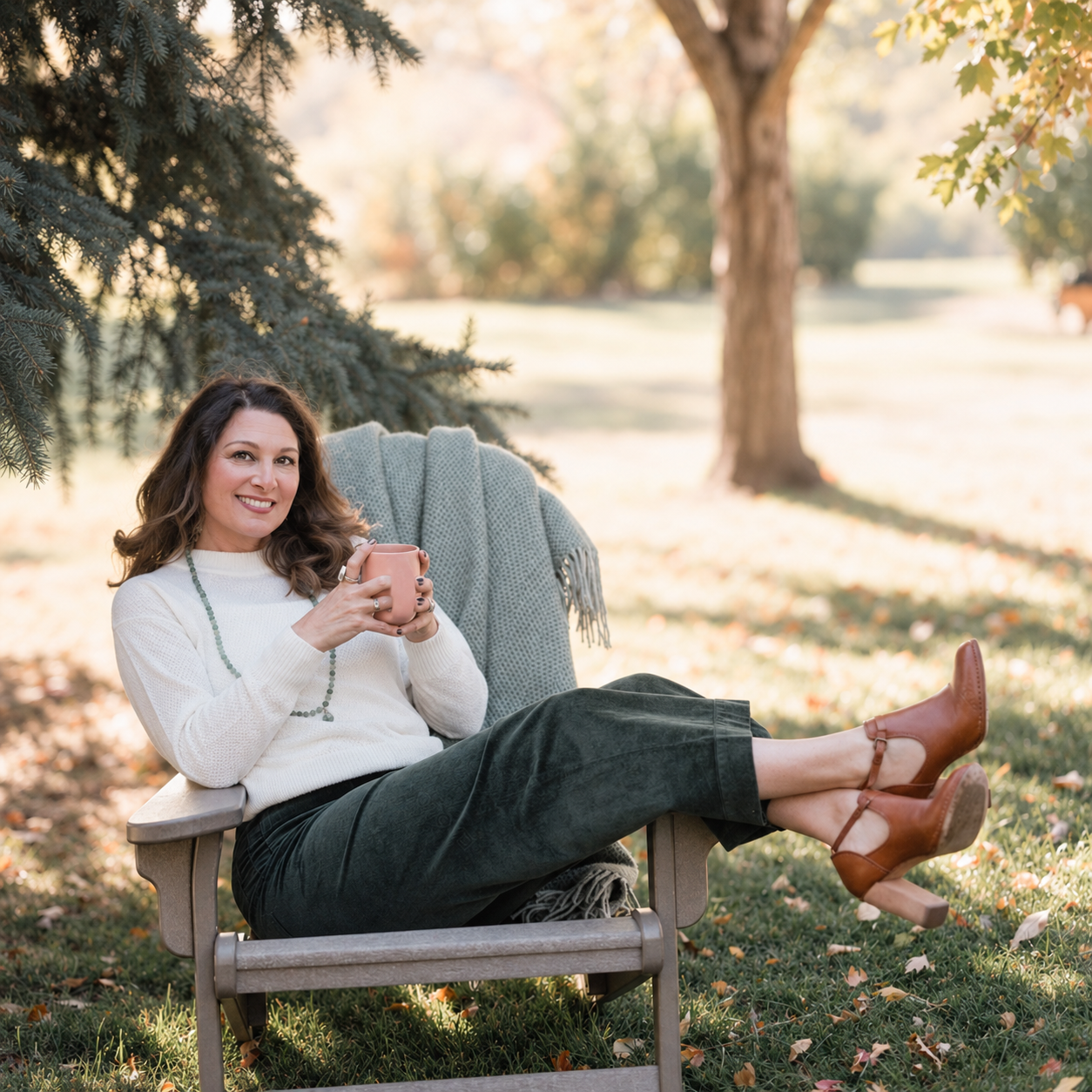
I came to this work through many years of accompanying people through rupture, grief, relationship, and profound life transition. My professional background is in psychotherapy and relational work, but my path into death care has been more personal, spiritual, and embodied.
Through my work with the Chevra Kadisha, the sacred Jewish practice of caring for the dead, I began to understand how much can still happen after a final breath. Washing a body, brushing hair, wrapping someone with care, sitting vigil, and remaining close showed me that caregiving does not simply end when life does. These practices changed the way I understand death, attachment, and the role of loving presence at the threshold.
The Final Cradle grew from that intersection: relational work, death care, ritual, motherhood, and a deep conviction that families deserve more permission, more participation, and more tenderness in the first hours and days after a child dies.
Gentle, practical guidance for the first hours after death, created to help families understand their options, remain close when they wish to, and participate in care in ways that feel right for them.
Education & Resources
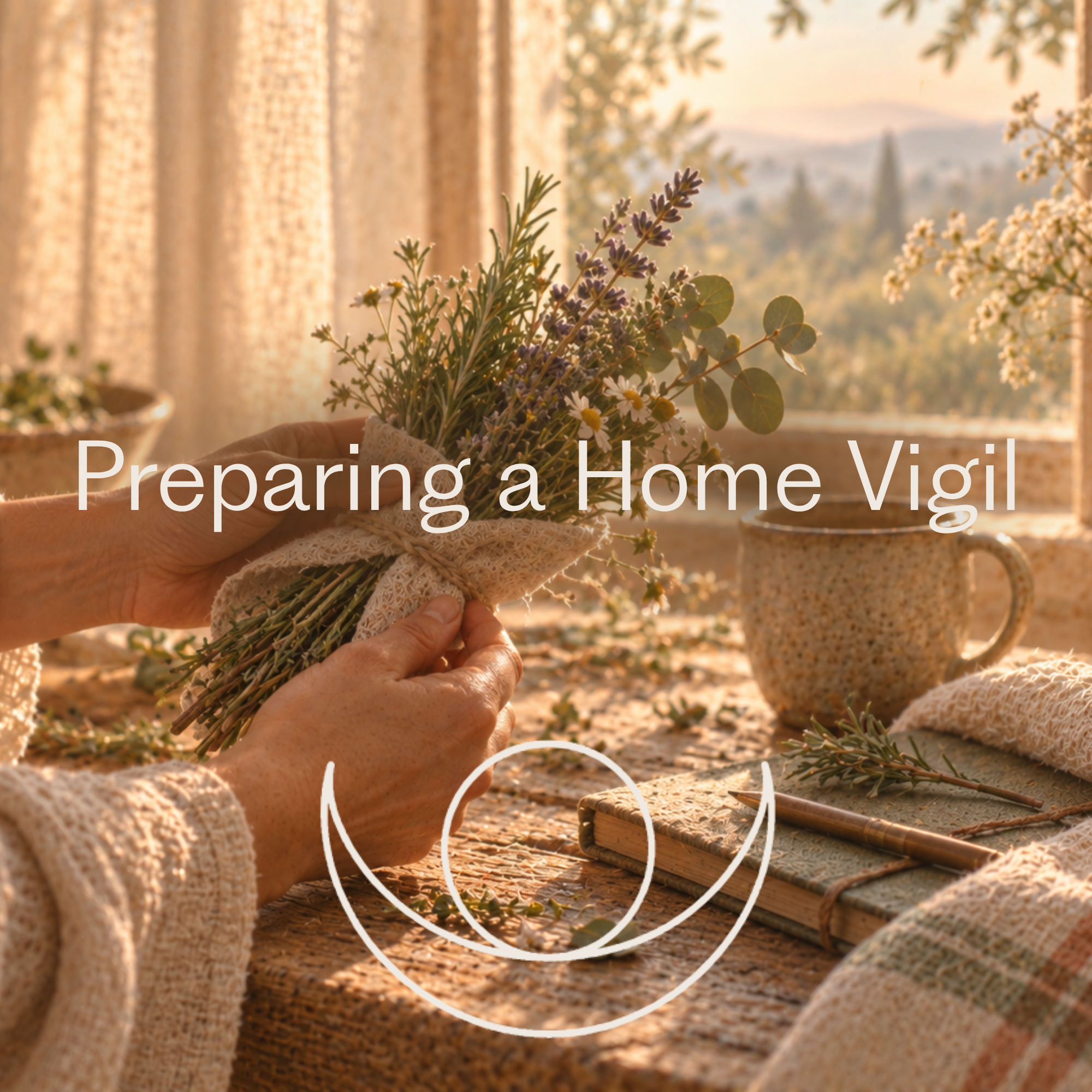
A gentle, non-clinical guide to creating a calm space for staying close, keeping watch, and caring for someone at home after death.
An overview of ways families may be able to remain close, participate in care, and create more time and choice in the first hours after death.
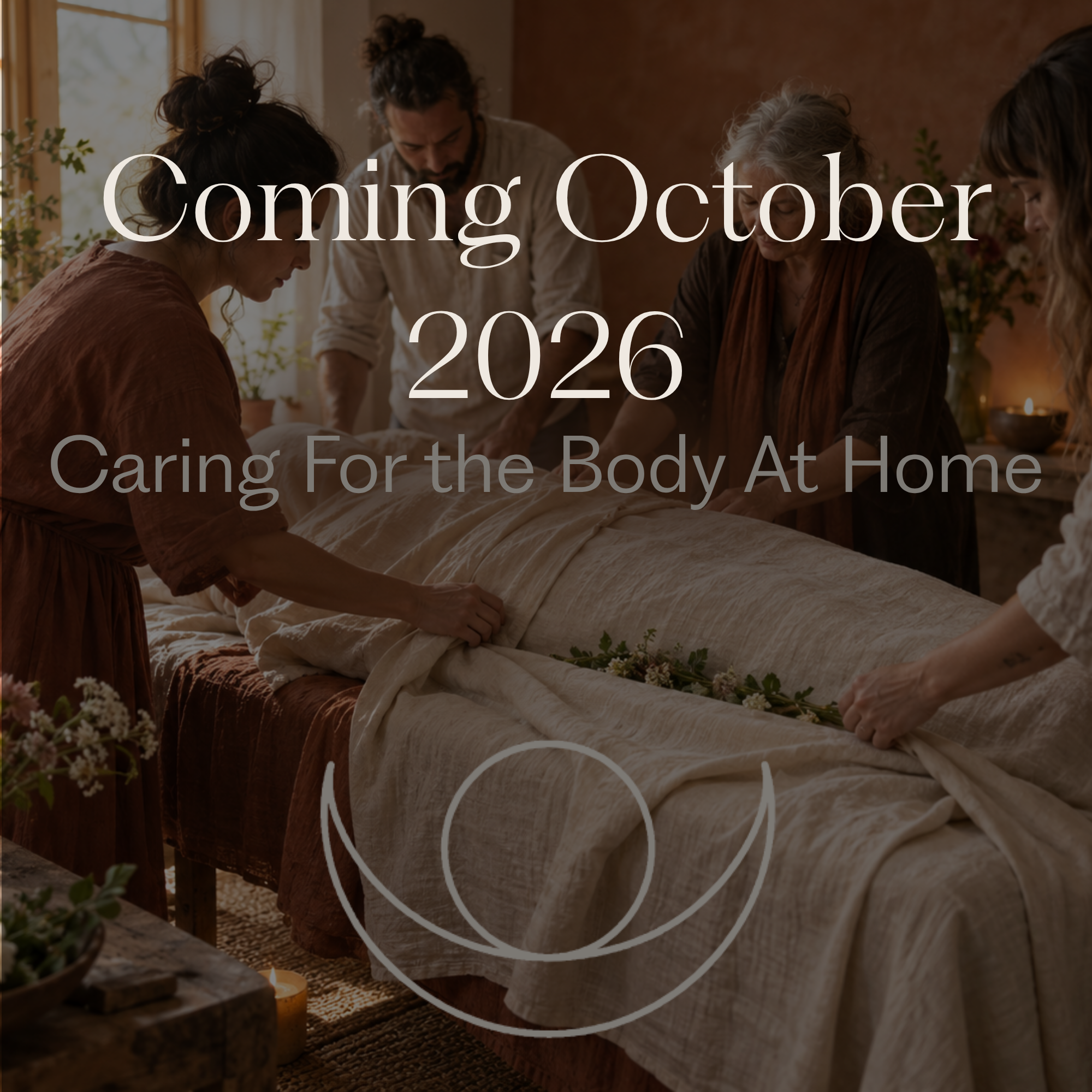
A plain-language overview of choices around staying with the body, touching, washing, dressing, keeping vigil, gathering family, and participating in care.
A practical list of questions for hospitals, funeral homes, coroners, and other professionals when a family needs more time, information, or choice.
A practical list of questions for hospitals, funeral homes, coroners, and
other professionals when a family needs more time, information, or choice.
How to think about whether and how children can be included, how to prepare them honestly, and how to offer participation without pressure.